
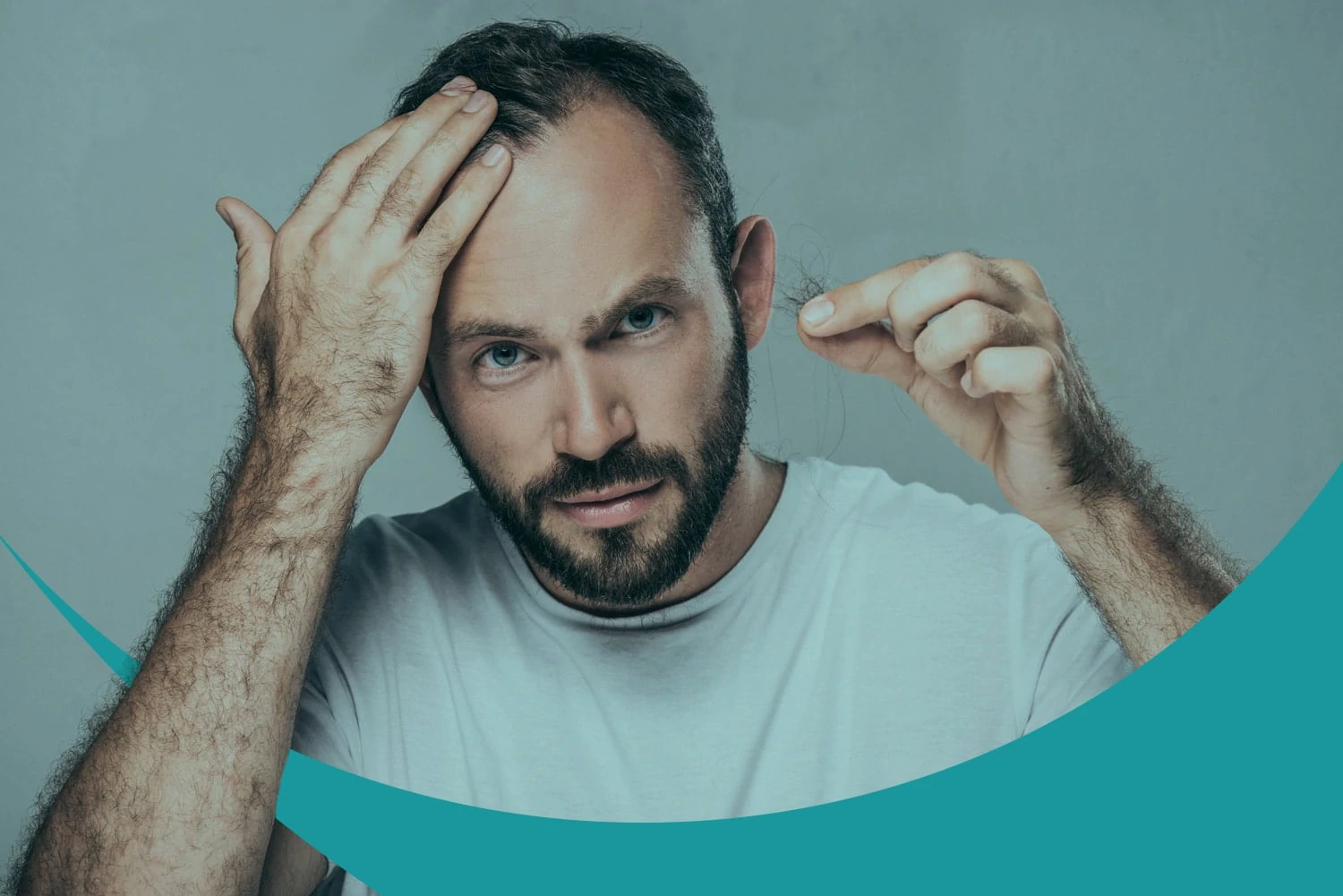
Male baldness is associated with excessive hair loss; however, losing hair is normal, at least up to around 100 hairs a day. Losing a larger number of hairs per day may indicate that you suffer from male baldness.
Androgenetic alopecia
What is it?
Most cases of marked hair loss in men (around 95%) are caused by androgenetic alopecia. As its name suggests, this type of alopecia is a genetically determined disorder. Men who suffer from this type of alopecia first notice a gradual increase in hair loss and then a reduction in hair volume and density, leaving certain areas increasingly sparse. This happens because, in some specific areas of the scalp (the front, top and occipital region of the head), the hair follicles have specific receptors that make them vulnerable to the effect of DHT (dihydrotestosterone).
Contact between this hormone and the follicle's receptor shortens the hair's life cycle, not giving the hairs enough time to become strong and dense. With a shorter hair life cycle, the hair follicle becomes exhausted more quickly and will stop producing hair.
Causes
What are the causes of male baldness?
The main cause of hair loss in men is androgenetic alopecia. However, there are some factors that can accelerate its onset, such as stress, smoking or nutritional deficiencies. These factors can also increase hair loss in men who do not suffer from this type of alopecia, but in such cases they will cause a temporary increase in hair loss that will end when the factor causing it disappears.
In addition to the causes already mentioned, increased hair loss may stem from a hormonal imbalance or from problems with the immune system.
Male baldness may also have other origins, for example aggressive medical treatments (chemotherapy), dermatological problems (fungi, bacteria) or a scar following an injury to the scalp.

Age
At what age does male baldness begin to show?
Male baldness can appear at any age; however, most cases arise in adulthood. The older a man gets, the greater the likelihood of baldness. One in four men aged between 20 and 30 are already affected by androgenetic alopecia, and the figures soar when we look at men aged between 40 and 50, of whom one in two is affected.
1 in 4 men aged between 20 and 30
1 in 2 men aged between 40 and 50
Prevention
How can I stop my excessive hair loss?
There are countless products on the market designed to stop hair loss. Some of these products do help to strengthen the hair and keep it healthy; however, these products/treatments are not enough to prevent hair loss when it is associated with androgenetic alopecia.
A healthy lifestyle is the most important condition for keeping your hair strong for as long as possible. Above all, you should avoid high levels of stress and eat a balanced diet.
To combat hair loss effectively, it is essential to consult a hair specialist so that the cause of the hair loss can be identified and the best solution recommended for your specific case.
At Attica Clinic, we have a team of hair specialists who will advise you on the most suitable treatment to combat your hair loss.
Norwood-Hamilton Scale
How does male androgenetic alopecia progress?
When we talk about the progression of androgenetic alopecia, we must talk about the Norwood-Hamilton scale.
O’Tar Norwood refined the scale for identifying the stages of male baldness, which had been created by James Hamilton, thereby creating the reference scale used by specialists in the field.
The pattern of progression of male androgenetic alopecia is divided into 7 stages: the first, where the well-known receding “temples” begin to appear, and the last, where the entire top of the head is already bald.
It is important to note that not all men who suffer from this condition will necessarily reach the final stage. In most cases, hair loss in men stabilises at around the age of 50.
Take the first step and book your Assessment Consultation, free and with no obligation
Treatments
What treatments are available to combat male baldness?
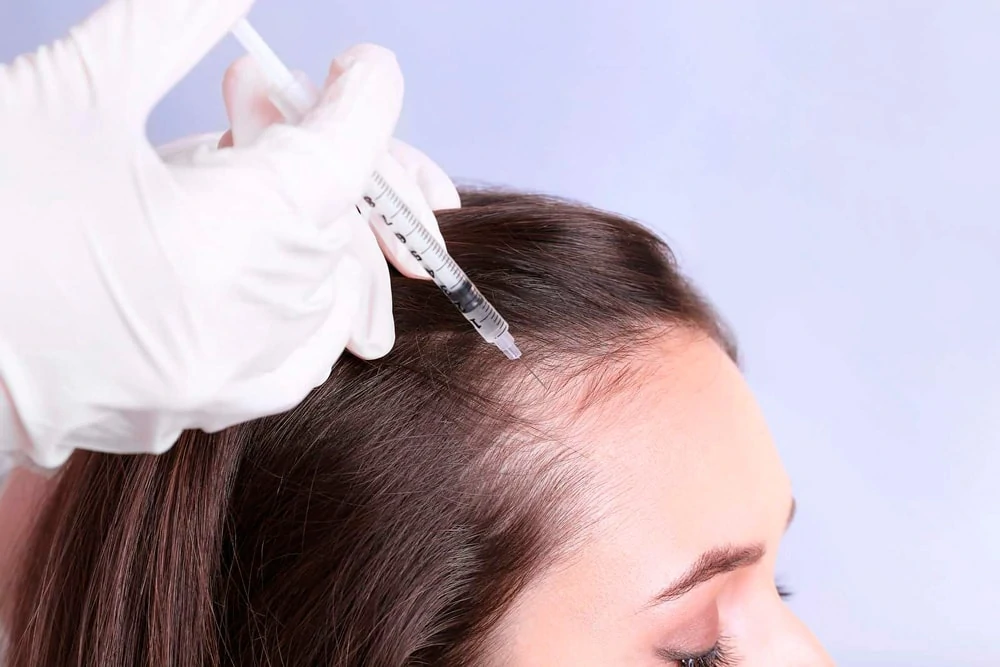
At Attica, we offer our patients a range of effective solutions that allow us to combat androgenetic alopecia at any of its stages. Our solutions can be divided into two types: preventive treatments and definitive treatments.
01What are the preventive treatments?

02What are the definitive treatments?
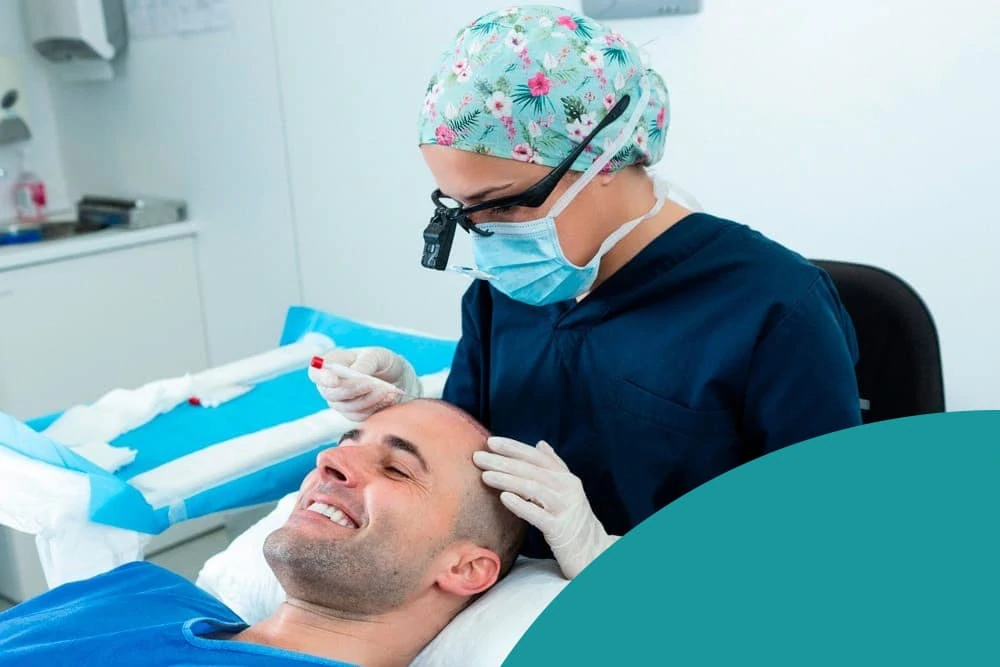
When a man is already in the more advanced stages of androgenetic alopecia, a hair transplant is the only solution for hair to grow again in the sparse and bald areas of the scalp.
Our hair transplant ensures long-lasting, more natural results and the best post-operative recovery.
Our specialist doctors carefully remove the hairs from the donor area, one by one, without leaving scars. These hairs are implanted, one by one, into the sparse or bald areas of the head. The transplanted hairs are not sensitive to the effects of DHT and will therefore continue the normal life cycle they had in their “original” location.