
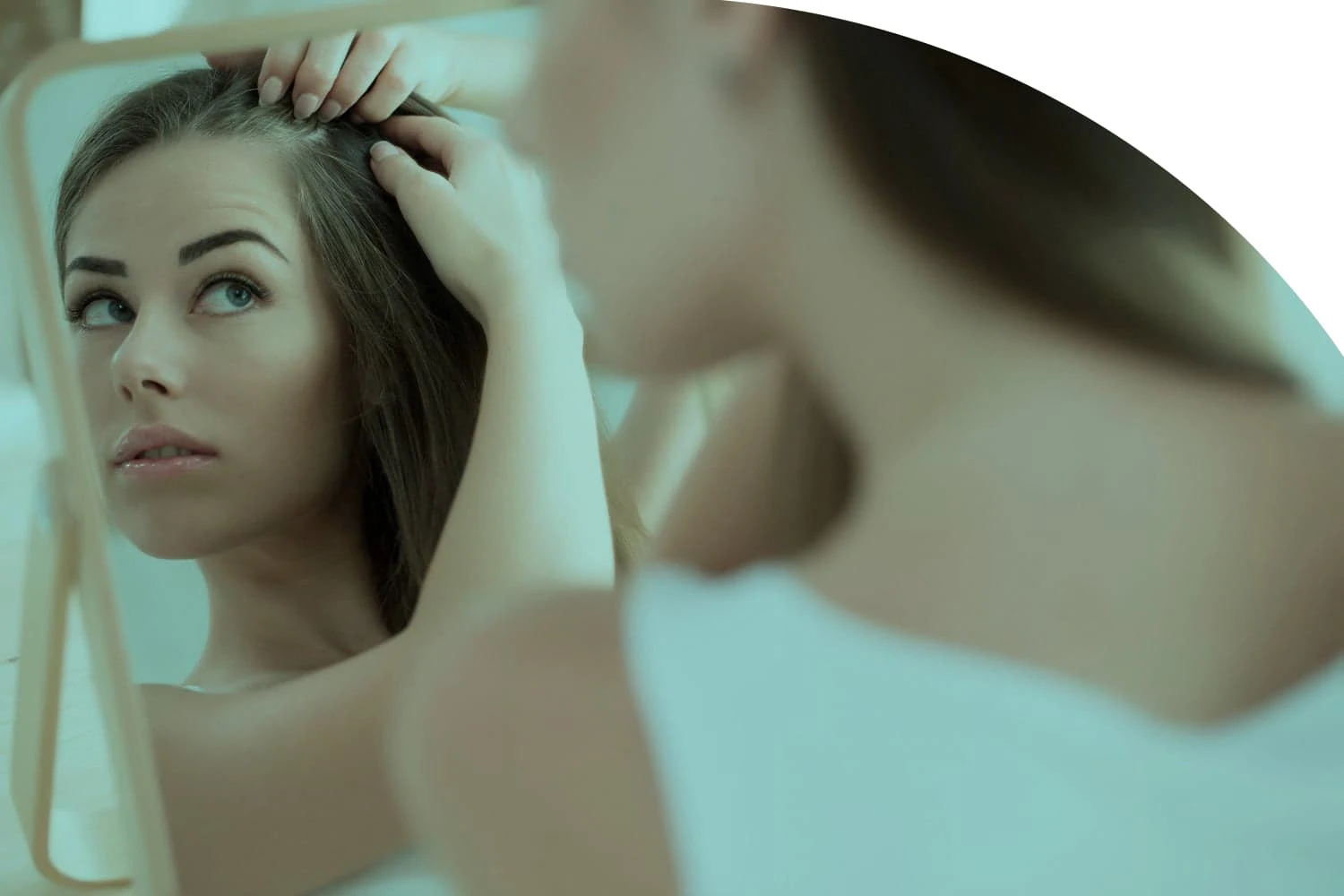
Although female baldness is not as common or as visible as male baldness, it is a reality that many women face every day. If losing hair is a difficult process for a man to deal with, for a woman baldness is a real nightmare.
Female androgenetic alopecia
What is female baldness?
Female baldness, or female androgenetic alopecia, is one of the main causes of hair loss in women, affecting 1 in 5 women over the age of 50. This condition has a genetic origin and is often associated with hormonal disorders. Behaving differently from how it manifests in men, androgenetic alopecia presents in women as a significant reduction in hair density: each hair becomes increasingly thinner and loses volume, gradually making the hair sparser.
As in men, this condition occurs because, in certain areas of the scalp, the hair follicles have specific receptors that make them sensitive to the effect of dihydrotestosterone (DHT). This hormone affects the follicles and shortens the hair's life cycle, preventing the hair from becoming strong and dense. The vulnerable follicle becomes exhausted more quickly and stops producing hair. This type of alopecia is less aggressive in women due to oestrogen; however, after the menopause there is a decline in the natural cycle of female hormones, which makes hair loss more intense and visible.
1 in 5 women over the age of 50
Causes
What are the causes of hair loss in women?
Identifying what causes hair loss in women is much more complicated, as the causes are far more varied than those seen in men.
In women, the most common causes are related to hereditary factors and hormonal disorders. Excessive hair loss may also stem from high levels of stress, anxiety or certain vitamin and/or mineral deficiencies. However, in these cases the increase in hair loss may be temporary and will return to normal once these disorders are corrected.
Ludwig Scale
How does female baldness manifest itself?
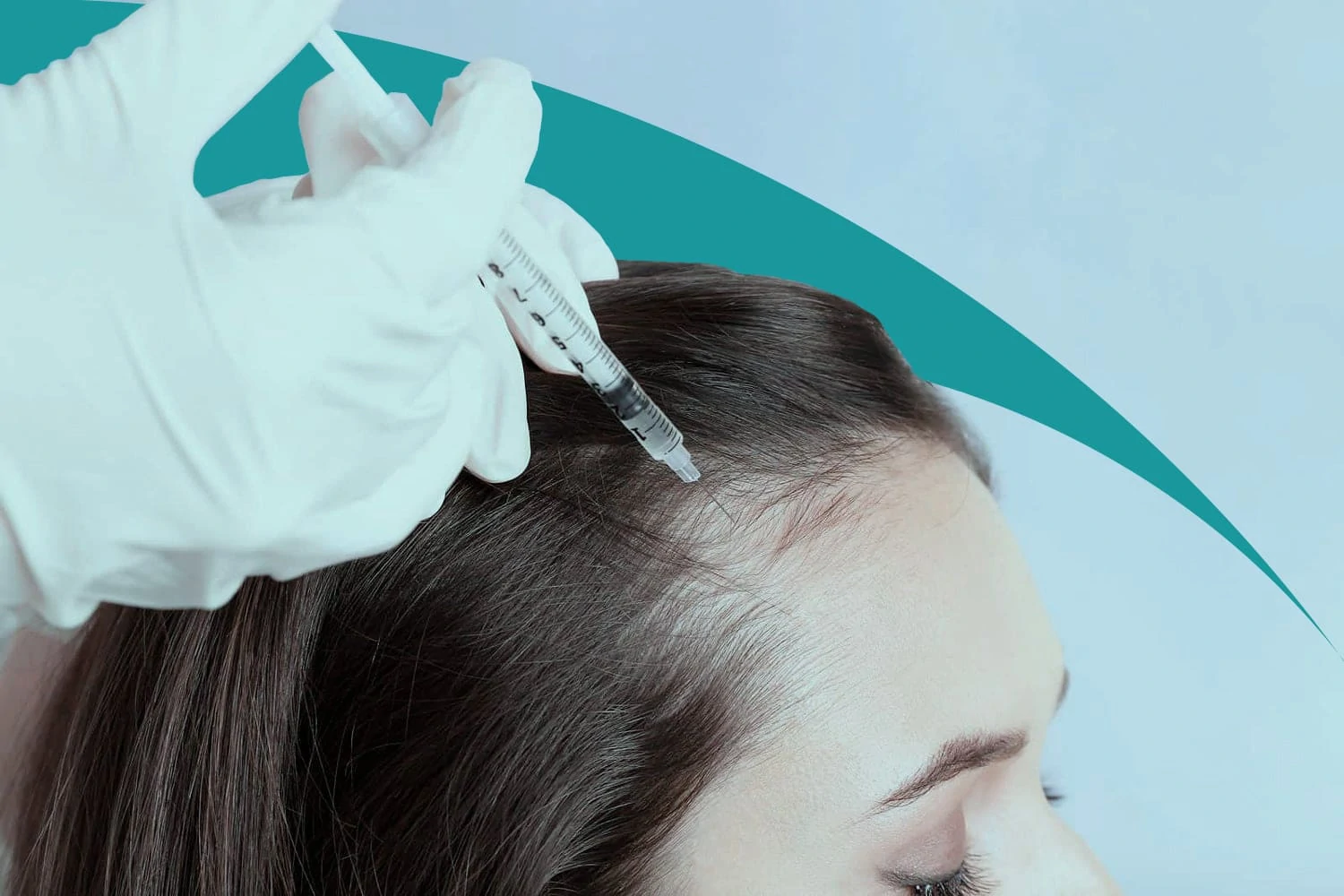
Female androgenetic alopecia manifests itself very differently from the way it does in men. In women, it appears as a Christmas-tree-shaped pattern, widening the parting that divides the central area of the top of the head. Women who suffer from this condition are mostly affected between the ages of 30 and 40. The scale used to identify the stage of androgenetic alopecia in women is the Ludwig scale.
Based on hair density, Erich Ludwig classified female androgenetic alopecia into three stages. Most women who suffer from this condition are in the first stage.
Take the first step and book your Assessment Consultation, free and with no obligation
Diagnosis
How can I stop my excessive hair loss?
The first step towards normalising hair loss is to identify what is causing it. As mentioned above, excessive hair loss in women can be caused by many factors, and wasting time and money on ineffective treatments/products can be extremely frustrating and, in the worst case, aggravate the problem. It is therefore essential to identify the cause so that an effective treatment/product can be selected. At Attica Clinic, we help our patients identify the cause of their hair loss, and after an assessment our specialist team will recommend the best possible solution for your problem.
Treatments
What treatments are available to combat baldness?
At Attica Clinic, we offer effective solutions to combat female androgenetic alopecia. We have definitive and preventive treatments.
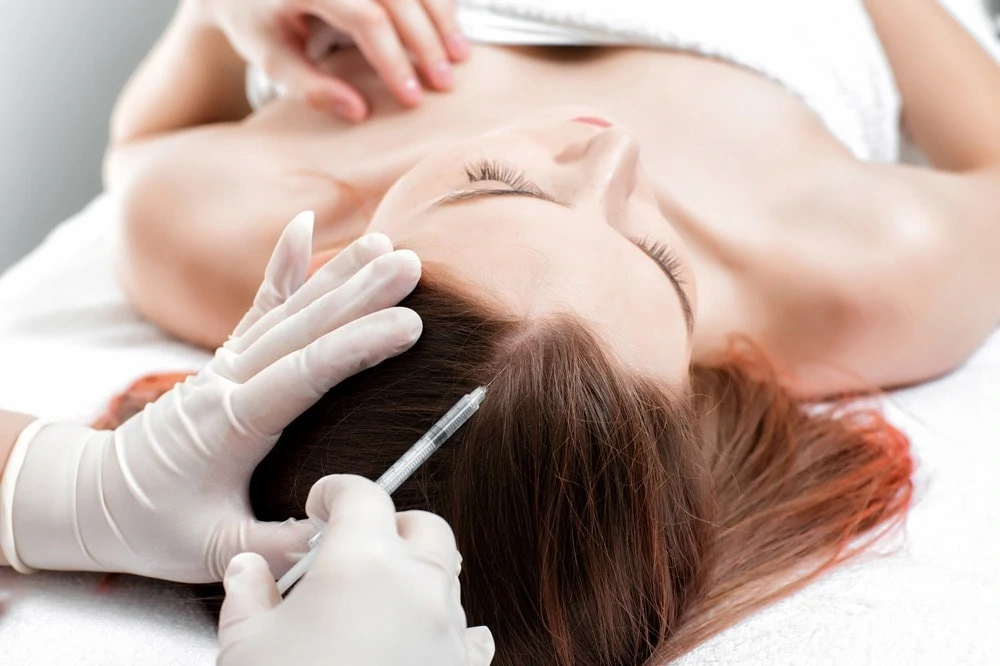
01What are the preventive treatments?
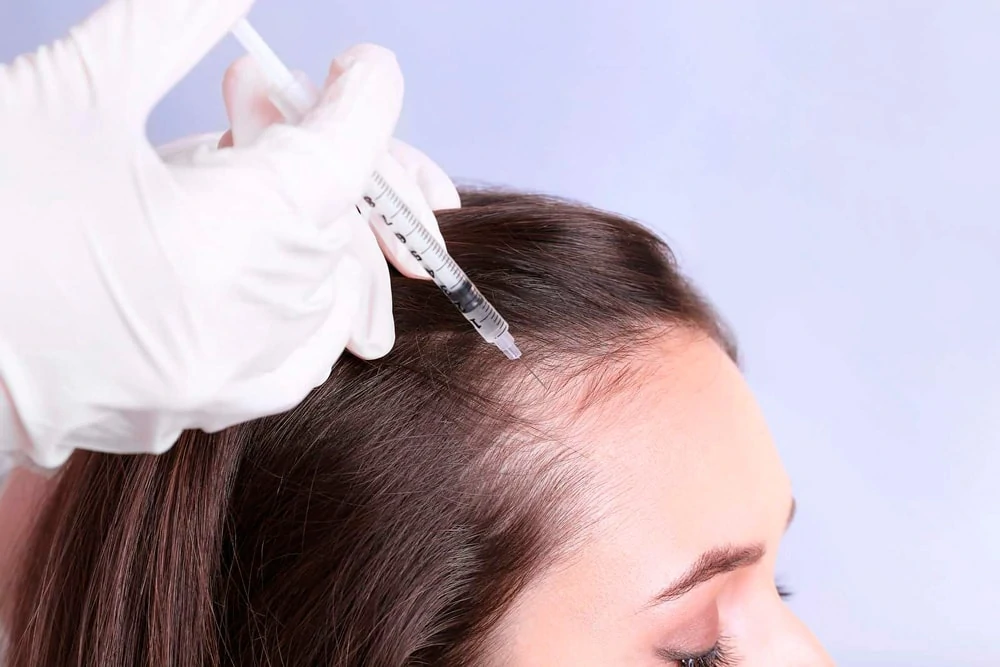
02What are the definitive treatments?

In cases of advanced female androgenetic alopecia, a hair transplant is the solution for regaining healthy hair in bald or sparse areas.
Using the least invasive and most advanced method available today, a hair transplant at Attica is the guarantee of a more natural and long-lasting result.
Following rigorous certified protocols, the specialist doctor selects healthy hair follicles (not vulnerable to the effects of DHT), removes them carefully, one by one, and implants them into the bald or sparse areas.