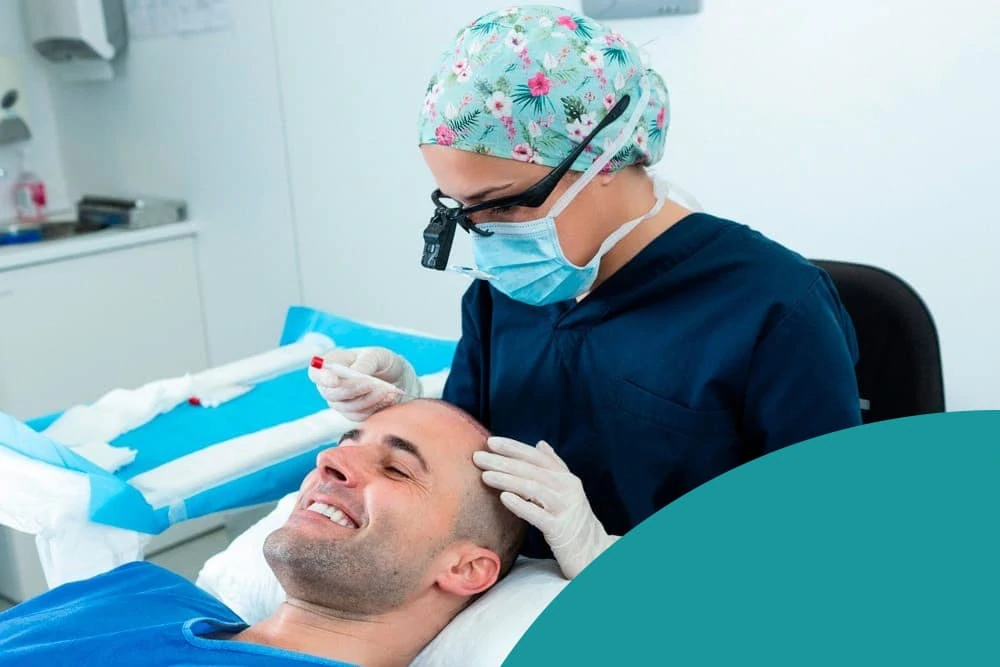
Natural hair loss
Gain a better understanding of hair loss
As you know, the cyclical loss of hair is normal. Every day, everyone loses an average of 100 hairs.
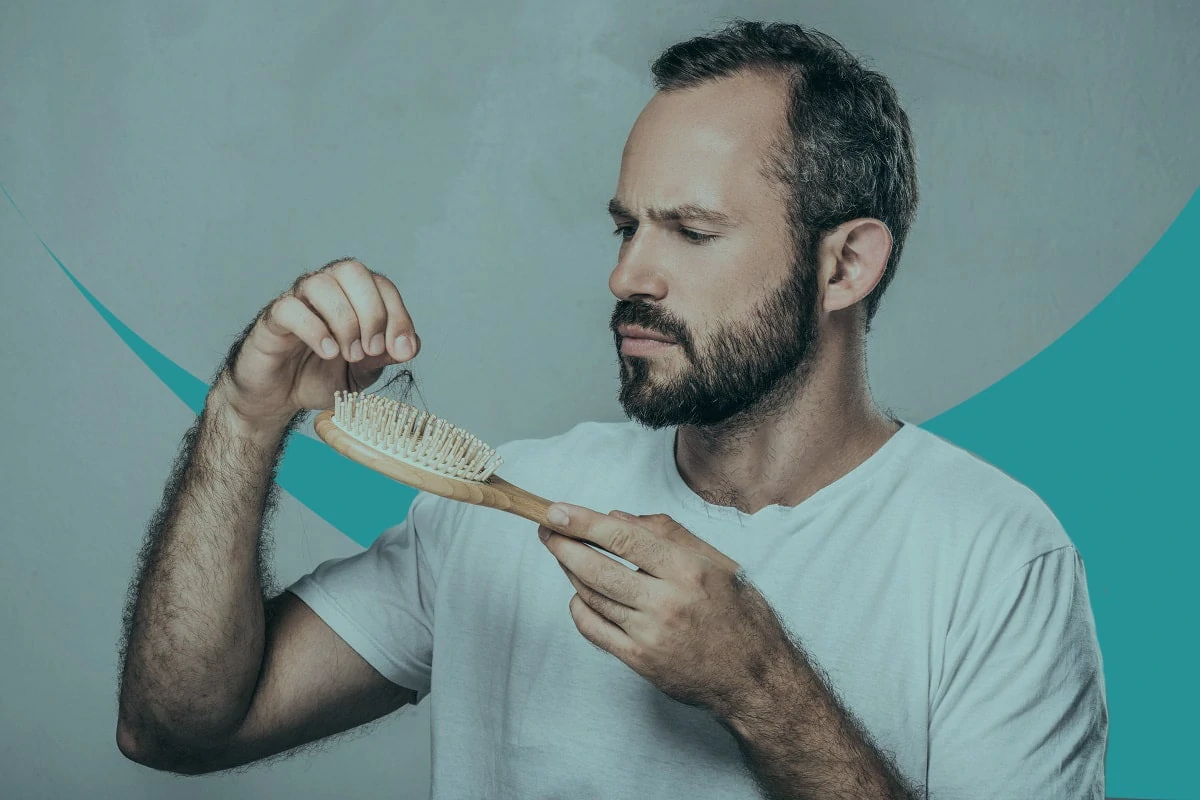
Natural hair loss
Why does hair fall out?
To understand hair loss, we must first understand the life cycle and structure of the hair. Hair is made up of two important parts: the hair shaft, which is its visible part, and the follicle (root), which is located within the skin. Each follicle may contain one or more hairs.
Hair that emerges from the hair follicle grows during the longest phase of its life (anagen phase), goes through another short phase in which growth stalls (catagen phase), and then enters the final phase, known as the resting and shedding phase (telogen phase), making way for a new hair. It is important to understand that each hair follicle has a life of its own; in other words, each hair cycle is individual and not synchronised.
When we are young, our scalp is covered by more than 100 000 hairs. From the moment it begins to grow until it falls out, each hair goes through 3 phases. When this cycle ends, a new one begins and our body regenerates a new hair in the same place. The length of this cycle varies from person to person.
3 phases
The life cycle of hair
Anagen
Most of our hair is in this phase (around 85%). This is the first phase, when hairs emerge and grow, on average around 1 centimetre per month. This process can last between 2 and 5 years. Over the years, this phase becomes increasingly shorter, resulting in thinner, sparser hair.
Catagen
Once the emergence and growth phase is over, the hairs stop growing. Although it remains attached to the hair follicle, the hair moves up towards the epidermis. This is a transition period that lasts approximately 2 to 3 weeks. Around 3% of our hair is in this phase.
Telogen
This is also known as the resting phase of the hair. It lasts between 6 and 7 months. The hair follicle shrinks and the hair detaches. The same follicle begins to produce a new hair, and the previous one eventually falls out. This cycle repeats until the hair follicle is exhausted (around 25 times). This phase affects around 12% of hairs.
Signs
When should I be concerned about hair loss?
The first warning signs to look out for are:
- when you notice excessive hair loss (more than 100 hairs a day);
- when you notice that your hair is becoming thinner (weaker);
- when you notice that it is becoming less dense.
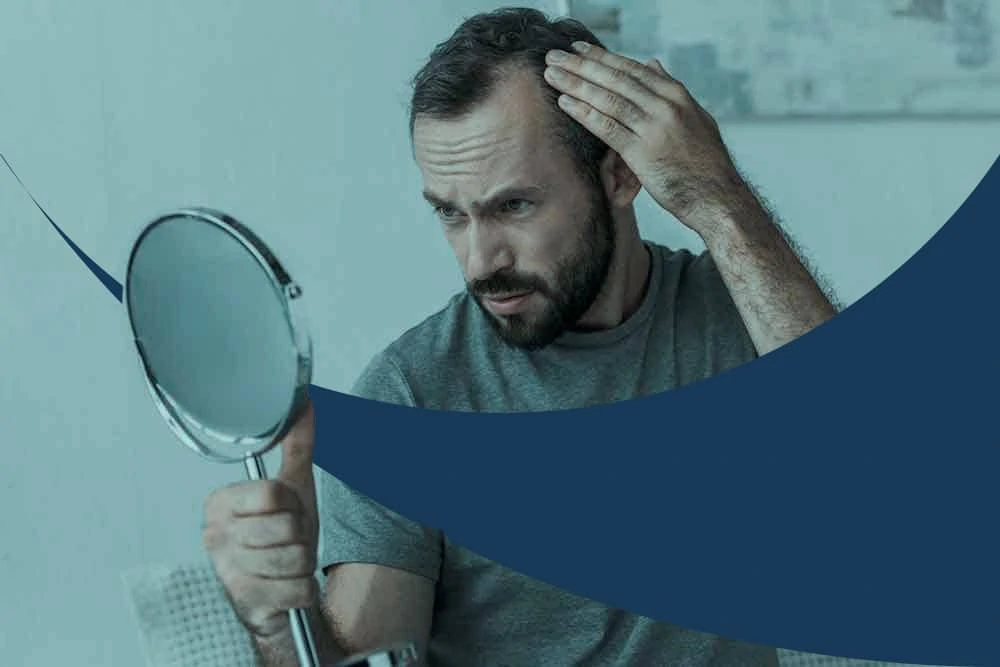
Causes
Reasons for excessive hair loss
There are some factors that can shorten the life cycle of your hair and, consequently, increase the number of hairs that fall out each day and lead more quickly to the exhaustion of the hair follicle. The most common causes are:
- Hereditary factors;
- Immune diseases;
- Hormonal imbalance;
- Stress/psychological disorder;
- Poor nutrition;
- Bacterial infection.
There are two types of hair loss, clinically known as alopecia: temporary/occasional and permanent.
Occasional hair loss is short-lived, or lasts as long as the factor causing it persists, the most common being stress, poor nutrition, fungal infections and minor hormonal imbalances. Permanent hair loss, which is difficult to reverse, stems from more complex factors and is associated with disease, such as androgenetic inheritance and imbalances of the hormonal and immune systems.
What are the most common types of alopecia?
- Androgenetic Alopecia;
- Diffuse Alopecia;
- Alopecia Areata;
- Frontal Fibrosing Alopecia;
- Traction Alopecia.
Treatments
What treatments and solutions are available for excessive hair loss?
If you notice or suspect that you are experiencing pronounced hair loss, or even problems of another kind, such as itching, bald patches, a considerable reduction in the number of hairs, nodules, spontaneous scarring, spots, flaking or excessive dandruff, among others, you should book a hair consultation immediately.
At Attica Clinic, you will find a team specialising in hair who will carry out an assessment to identify your specific situation and, if necessary, recommend the best possible treatment solution.
With regard to androgenetic alopecia (the most common problem), Attica Clinic offers the best treatment solutions, whether preventive or definitive.

Take the first step and book your Assessment Consultation, free and with no obligation
Prevention
Slow down the effects of Androgenetic Alopecia
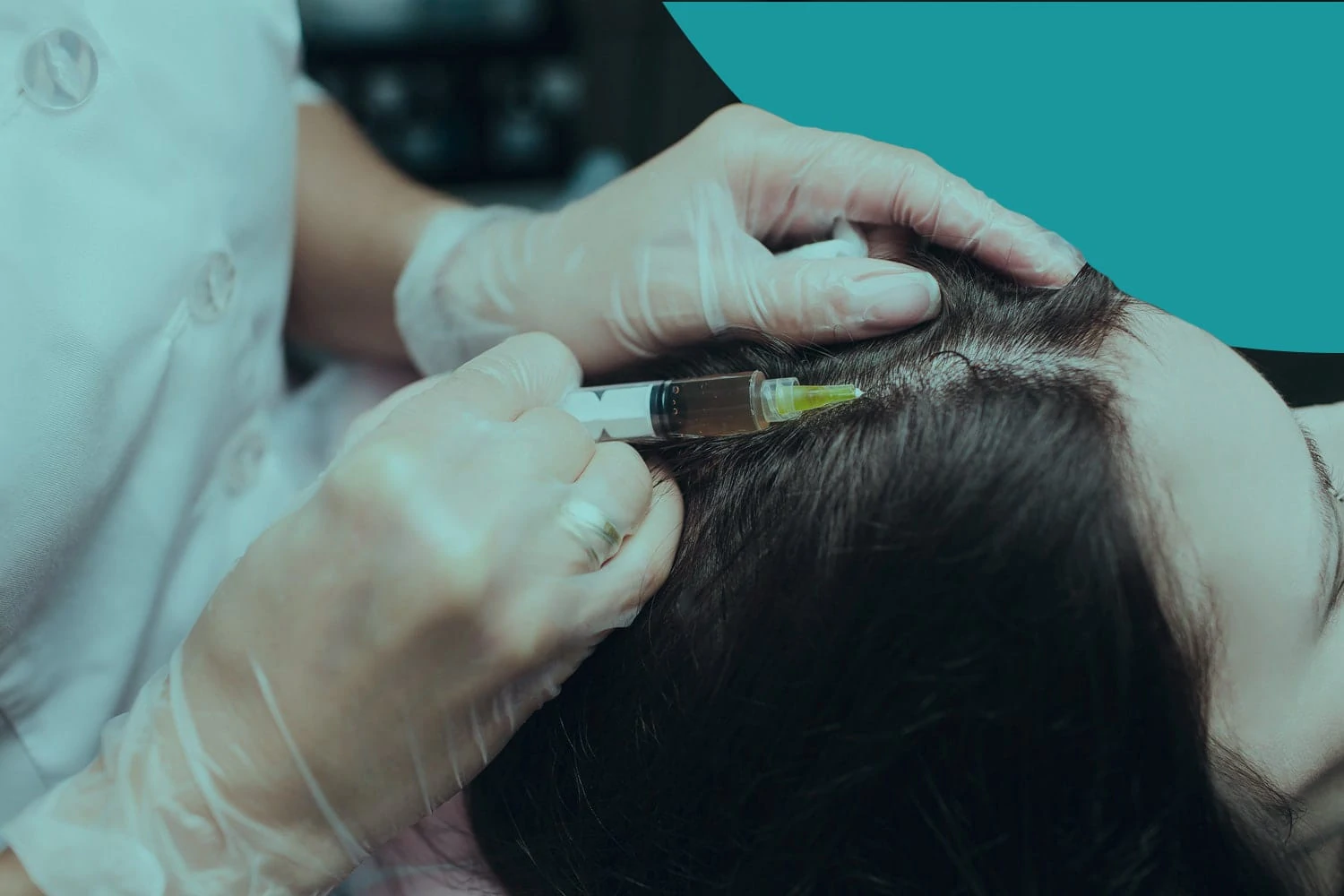
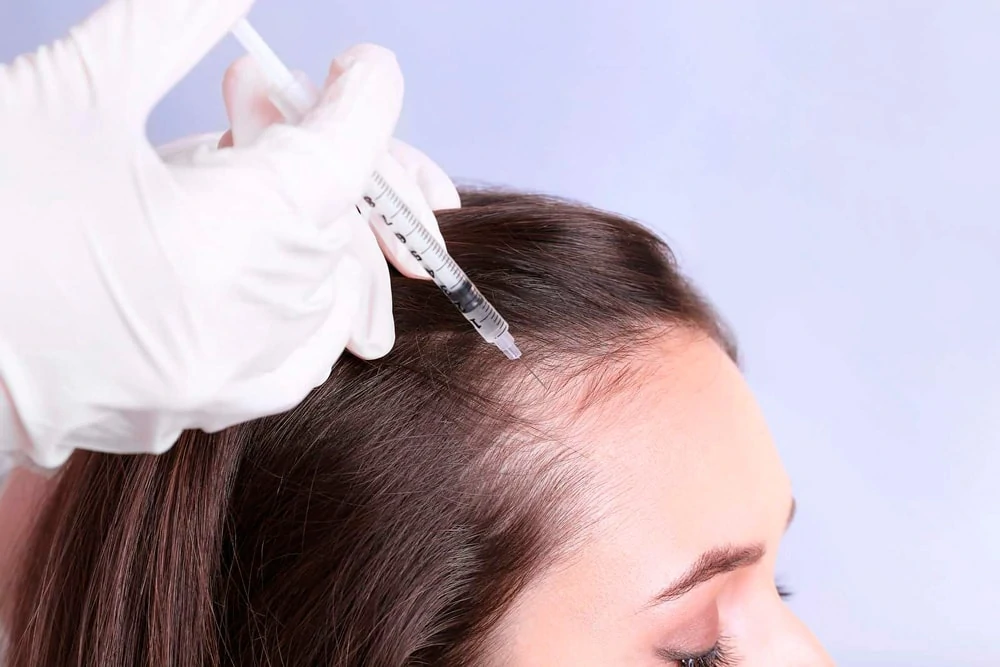
When we suffer from androgenetic alopecia or traction alopecia, the life cycle of our hair shortens much more quickly and we begin to notice that our hair is becoming thinner and sparser over the years. At Attica Clinic, we offer our patients personalised treatments, such as hair mesotherapy and PRP (Platelet-Rich Plasma), which help to strengthen the hair and prolong its life cycle.

Hair transplant
The definitive solution!
At Attica Clinic, you will find the hair transplant that ensures the best recovery and results available today. To find out more, visit our hair transplant page.